Choosing the Right Solar Energy Solutions: A Guide for Kanifing Homeowners
As more homeowners in Kanifing explore sustainable energy solutions, solar power has emerged as a leading option. Not only does it reduce electricity bills, but it also minimizes your carbon footprint. This guide will help you choose the right solar energy solutions for your home.
Understanding Solar Power Basics
Before diving into solar solutions, it's essential to understand how solar power works. Solar panels capture sunlight and convert it into electricity using photovoltaic cells. This electricity can power your home, reducing dependency on traditional energy sources.
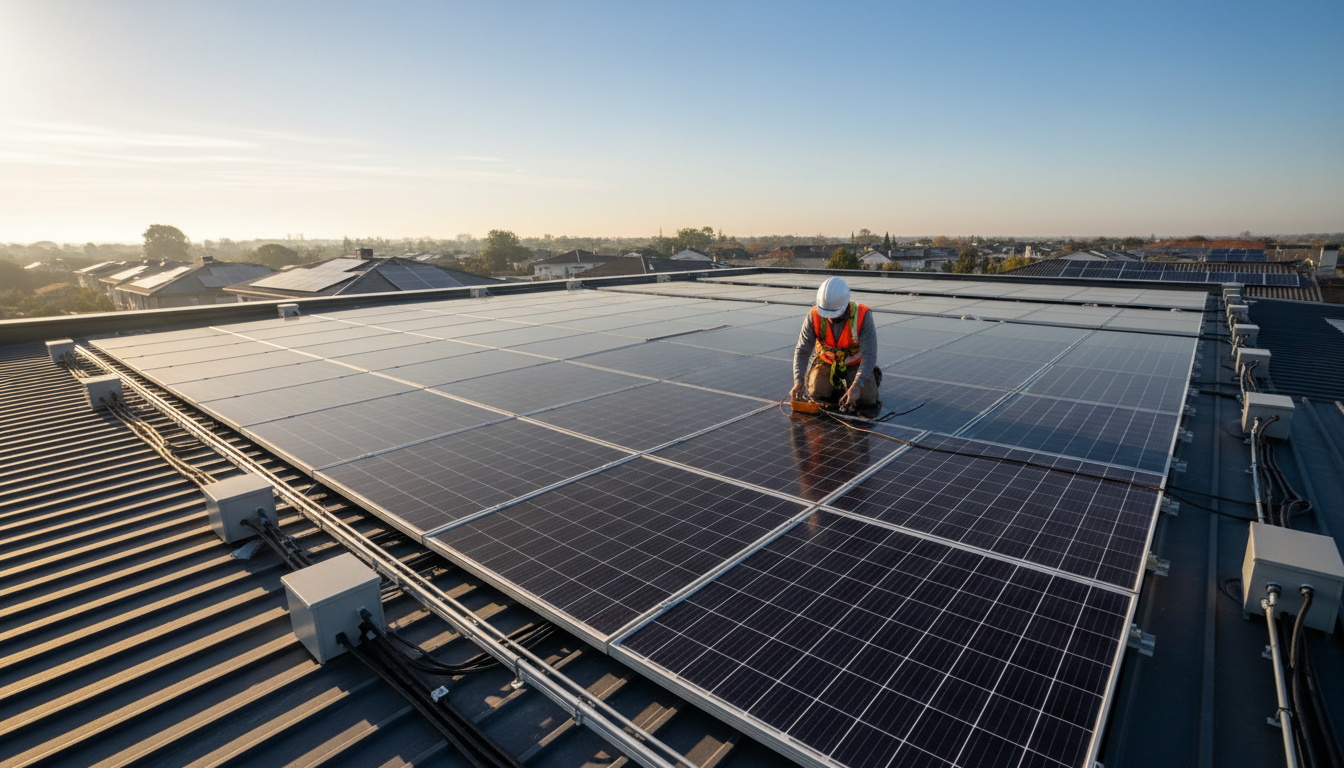
The two primary types of solar systems are grid-tied and off-grid systems. A grid-tied system connects to the local power grid, providing flexibility and reliability, while an off-grid system operates independently, ideal for remote areas.
Benefits of Solar Energy
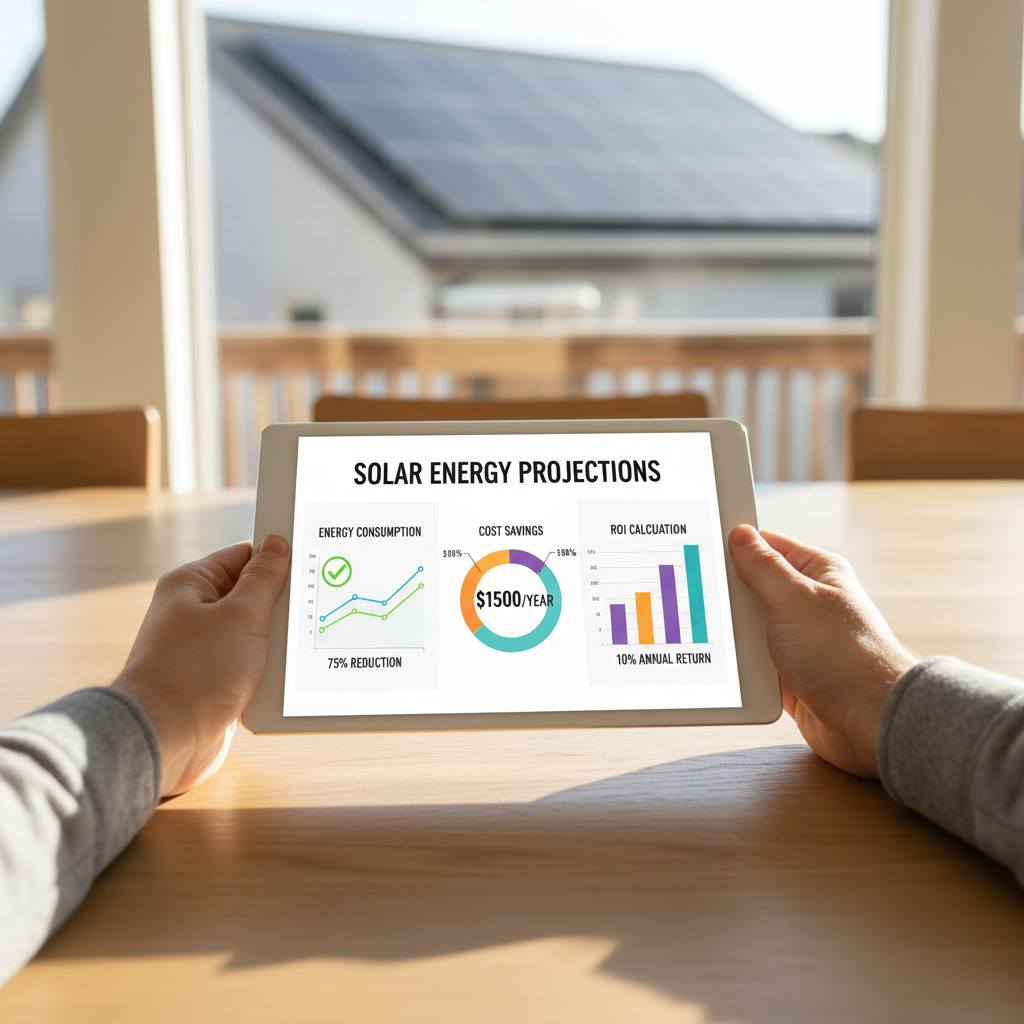
Solar energy offers numerous advantages. It’s a renewable resource, meaning it won't run out, and it significantly reduces electricity bills. Additionally, using solar power can increase your home's value and provide energy independence.
Evaluating Your Home's Solar Potential
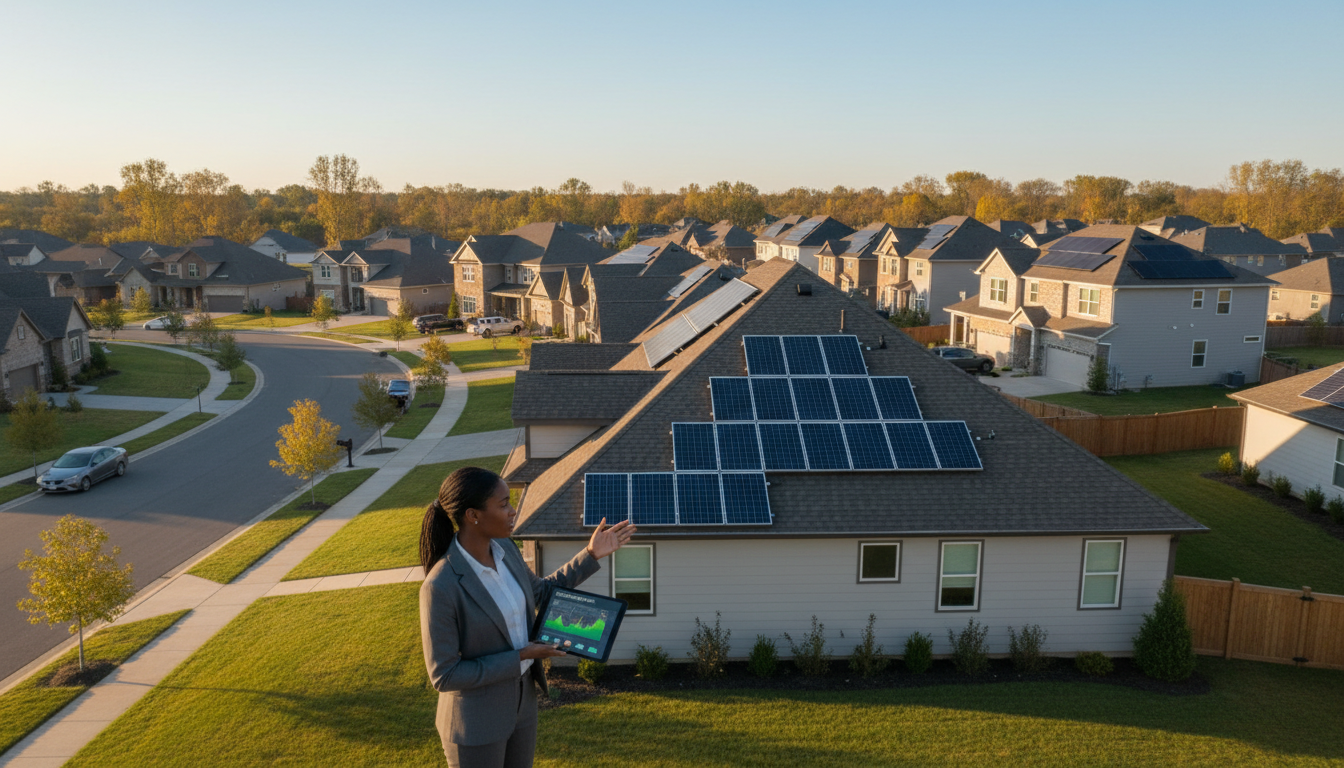
To determine if solar power is right for your home, assess your property's solar potential. Consider factors such as roof orientation, shading from trees or other buildings, and the available space for panels. An optimal setup maximizes sun exposure throughout the day.
Conducting a Solar Assessment
Many solar companies offer free assessments to evaluate your home’s suitability. They will measure roof angles, check for shading, and estimate potential energy production. This step is crucial in ensuring the efficiency of your solar investment.
Choosing the Right Solar Panels
When selecting solar panels, consider efficiency, durability, and warranty. Higher efficiency panels generate more electricity, while durable panels withstand harsh weather conditions. Look for manufacturers offering substantial warranties to safeguard your investment.
Types of Solar Panels
There are three main types of solar panels: monocrystalline, polycrystalline, and thin-film. Monocrystalline panels are known for their high efficiency and sleek appearance, polycrystalline panels are cost-effective, and thin-film panels offer flexibility for unconventional spaces.
Installation and Maintenance
Proper installation is crucial for the optimal performance of your solar system. Hiring a certified and experienced installer ensures that your panels are securely mounted and efficiently connected to your electrical system. Regular maintenance, such as cleaning panels and checking for damage, keeps the system running smoothly.
Working with Professionals
Collaborating with a reputable solar company is key. They can provide guidance on permits, rebates, and incentives that may be available in Kanifing. Choosing a local provider ensures they understand regional regulations and environmental conditions.
In conclusion, choosing the right solar energy solution involves understanding your home’s solar potential, selecting appropriate panels, and ensuring professional installation. With the right system in place, you’ll enjoy the benefits of clean, renewable energy for years to come.